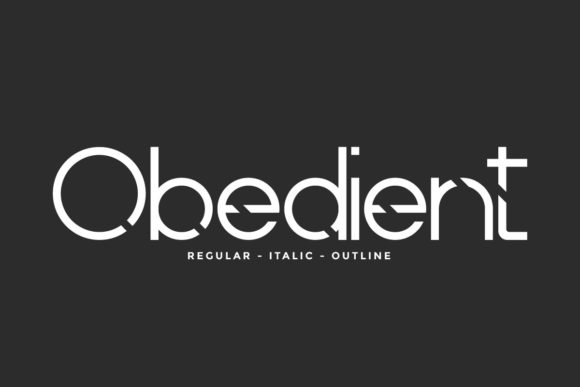
Obedient: A Versatile Display Font for Creative and Professional Workflows
Obedient is a display font that blends casual elegance with clear readability. Its unique character set and balanced proportions make it ideal for a wide range of design applications. Whether you're working on a logo, a headline, or a branding project, Obedient offers a fresh and modern look that can elevate your visual communication.
As a font designed for both digital and print use, Obedient adapts well to different mediums. Its clean lines and subtle curves ensure it remains legible at various sizes, making it suitable for everything from large-scale signage to small product labels. This flexibility makes it a valuable addition to any designer’s toolkit.
Understanding Obedient in the Design Process
Incorporating Obedient into your workflow begins with understanding where it fits best. For many designers, fonts are one of the final elements in a project—after layout, color schemes, and imagery are set. However, Obedient can also be used earlier in the process to influence the tone and style of a design.
When planning a project, consider how typography contributes to the overall message. Obedient’s casual yet refined aesthetic can help convey a sense of approachability and professionalism. This makes it especially useful for brands that want to appear both creative and trustworthy.
Before starting a design, take time to explore how Obedient interacts with other design elements. Test it against different backgrounds, typefaces, and color palettes to see how it performs in real-world scenarios. This early testing can save time later by avoiding adjustments needed due to poor font compatibility.
Using Obedient in Different Project Phases
Obedient can be applied at multiple stages of a project. During the initial concept phase, it can help establish the visual identity of a brand or campaign. For example, if you’re designing a logo, using Obedient as a placeholder can give clients a clearer idea of how the final design will look.
During the execution phase, Obedient can be used for headings, subheadings, and other typographic elements. Its versatility allows it to work well alongside more traditional typefaces, creating a balanced and cohesive design. When paired with sans-serif or serif fonts, Obedient adds a touch of personality without overwhelming the composition.
After a project is complete, Obedient can still play a role in quality control and consistency. If you’re maintaining a brand’s visual assets, ensuring that Obedient is used appropriately across all materials helps reinforce brand recognition. Regular audits of design files can confirm that the font is being used consistently and effectively.
Integrating Obedient into Your Workflow
To integrate Obedient smoothly into your workflow, start by organizing your font library. Keep it separate from other fonts so you can easily access it when needed. Many design platforms allow you to categorize fonts, which can help streamline your selection process.
When working with teams, make sure everyone has access to Obedient. Share the font file or link to a web version so that all team members can use it consistently. This is especially important for collaborative projects where multiple people may be involved in the design process.
Consider the context in which Obedient will be used. For digital projects, ensure that the font is embedded correctly to avoid display issues. For print, check that the font is compatible with the printing software and that it appears as intended on physical materials.
Practical Tips for Using Obedient
One practical tip is to use Obedient for headlines and titles rather than body text. Its decorative elements may not be as effective in long paragraphs, where clarity and readability are more important. For body text, pair it with a more neutral typeface to maintain visual balance.
Another tip is to experiment with different weights and styles. Obedient may come in multiple variations, such as bold, light, or italic. Testing these variations can help you find the right tone for your project. For instance, a bold version might be better for a strong headline, while a lighter weight could work well for a more subdued design.
Don’t hesitate to adjust spacing and alignment when using Obedient. Because of its unique shape, it may require slight tweaks to look its best. Use the kerning and tracking tools in your design software to fine-tune the appearance and ensure it reads smoothly.
Combining Obedient with Other Tools and Resources
Obedient works well with other design tools and resources. When using graphic design software like Adobe Illustrator or Figma, you can apply Obedient to text layers and adjust it as needed. These programs often have built-in font management features that make it easy to switch between typefaces and test different combinations.
For web developers, Obedient can be integrated into websites using Google Fonts or custom CSS. This ensures that the font displays correctly across different devices and browsers. When embedding Obedient on a website, make sure to follow best practices for web typography to maintain performance and accessibility.
Collaboration tools like Canva or Notion can also benefit from Obedient. These platforms often allow users to upload custom fonts, making it simple to incorporate Obedient into presentations, documents, and other digital assets. This integration helps maintain a consistent look across all materials, whether they’re created in-house or shared with others.
Long-Term Use and Maintenance
When using Obedient over an extended period, keep track of updates and changes. Font foundries may release new versions with improved features or bug fixes. Staying informed about these updates can help you get the most out of the font and avoid potential issues.
Maintaining a consistent use of Obedient across all projects helps build brand recognition. If you’re managing a brand’s visual identity, document where and how Obedient should be used. This documentation can serve as a reference for future projects and ensure that the font is applied correctly every time.
Finally, consider the emotional impact of Obedient. Typography influences how audiences perceive a message, and Obedient’s casual yet polished style can create a positive impression. By using it thoughtfully, you can enhance the effectiveness of your designs and connect more deeply with your audience.