Guardian: A Bold and Versatile Display Font for Creative Projects
The Guardian font is a striking display typeface that combines strength with elegance, making it a popular choice for a wide range of design applications. Known for its bold and brushed style, Guardian is often used in logotypes, headlines, and corporate identities, as well as in creative projects such as posters, music, movies, games, magazines, books, comics, and more. Its versatility and visual impact make it a compelling option for designers looking to convey energy and sophistication.
What Is Guardian?
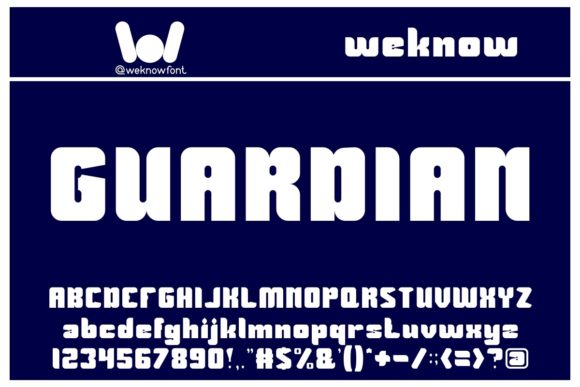
Guardian is a display font designed to stand out. It features a strong, hand-drawn aesthetic that gives it a sense of movement and dynamism. The font’s brush-like strokes add a tactile quality, making it ideal for projects that require a unique and eye-catching look. Unlike traditional serif or sans-serif fonts, Guardian offers a more artistic and expressive alternative, suitable for both digital and print media.
Its design is influenced by the visual language of graffiti, street art, and modern typography, which contributes to its contemporary appeal. Guardian is available in multiple weights and styles, allowing users to adjust its appearance based on their specific needs. This flexibility makes it a valuable tool for designers working across different industries and formats.
Why Choose Guardian?
Designers may be drawn to Guardian for several reasons. First, its bold and dynamic appearance makes it an excellent choice for headlines and logos where visibility and impact are essential. The font’s distinctive style helps create a strong visual identity, which is crucial for branding and marketing efforts.
Additionally, Guardian’s versatility allows it to be used in various contexts. Whether designing a poster for an event, a book cover, or a social media graphic, the font can adapt to different layouts and color schemes. Its brush-like texture also adds a sense of authenticity and creativity, which can enhance the overall aesthetic of a project.
Another advantage of Guardian is its readability in larger sizes. While it may not be the best choice for body text, it performs well in headings and titles, where its visual presence can draw attention and communicate a message effectively.
Considerations and Tradeoffs
While Guardian offers many benefits, it is important to consider its limitations. One potential drawback is its suitability for certain types of content. Due to its stylized nature, Guardian may not be appropriate for formal or traditional designs that require a more neutral or professional look. In such cases, alternatives like Helvetica, Times New Roman, or Futura may be more suitable.
Another consideration is the font’s legibility at smaller sizes. When used in body text or in low-resolution environments, Guardian may become difficult to read. Designers should test the font in different contexts to ensure it meets their requirements. Additionally, some variations of the font may have limited character sets, which could affect its usability in multilingual projects.
It is also worth noting that while Guardian is a powerful design tool, it should be used strategically. Overusing the font or pairing it with incompatible typefaces can lead to a cluttered or unbalanced design. Careful selection and thoughtful application are key to maximizing its effectiveness.
Situations Where Guardian Excels
Guardian is particularly effective in projects that require a strong visual identity and a sense of energy. For example, in the apparel industry, the font can be used on t-shirts, hoodies, and other wearable items to create a bold and memorable look. Its dynamic style also makes it a good fit for music and entertainment-related designs, such as album covers, movie posters, and game banners.
In the digital space, Guardian can enhance the visual appeal of websites, YouTube thumbnails, and social media graphics. Its brush-like texture adds a layer of creativity that can help content stand out in a crowded online environment. Similarly, in publishing, the font can be used for magazine headers, comic book titles, and book covers to create a distinctive and engaging layout.
For brand identity projects, Guardian can help establish a unique and recognizable image. Its boldness and artistic flair make it an ideal choice for businesses looking to differentiate themselves in a competitive market. However, it is important to ensure that the font aligns with the brand’s overall aesthetic and messaging.
When Alternatives May Be Better
There are situations where other fonts may be more appropriate than Guardian. For instance, in formal or professional settings, a more restrained typeface may be preferable. Fonts like Georgia, Garamond, or Arial offer a cleaner and more traditional appearance, which can be better suited for business documents, academic publications, or official communications.
For projects that require high readability in small sizes, a sans-serif font like Arial or Verdana may be a better choice. These fonts are designed to maintain clarity at lower resolutions, making them ideal for web content, mobile interfaces, and other digital applications.
Additionally, if a designer is looking for a more minimalist or modern look, fonts like Roboto, Open Sans, or Lato may be more appropriate. These typefaces offer a clean and versatile style that can work well across a variety of design contexts.
Practical Decision-Making Insights
When deciding whether to use Guardian, designers should consider the project’s goals, audience, and context. If the goal is to create a bold and eye-catching design, Guardian can be an excellent choice. However, if the focus is on clarity, professionalism, or broad accessibility, other fonts may be more suitable.
Testing the font in different scenarios is also recommended. Designers should experiment with various sizes, colors, and backgrounds to see how Guardian performs in real-world applications. This process can help identify any potential issues and ensure the font meets the project’s needs.
Finally, it is important to consider the availability and licensing of the font. Some versions of Guardian may require a license for commercial use, so designers should verify the terms before incorporating it into their work. Choosing the right font involves not only aesthetic considerations but also practical and legal factors.