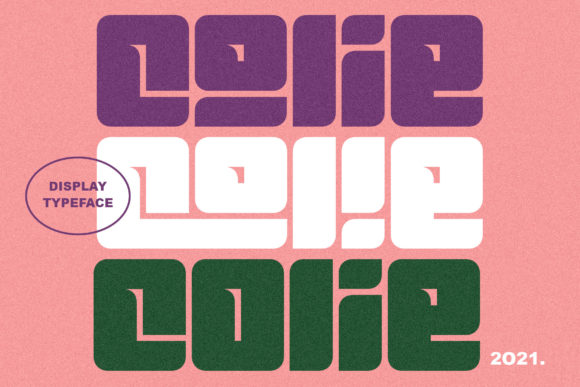
Colie: A Versatile Font for Creative and Professional Projects
The Colie font has emerged as a compelling choice for designers, marketers, and creators seeking a clean, modern, and adaptable typeface. With its balanced structure and elegant aesthetics, Colie offers a range of applications that can enhance both digital and print media. Whether you're designing a logo, crafting a magazine layout, or developing a branding strategy, Colie provides a foundation that supports clarity, professionalism, and visual appeal.
Understanding the Colie Font
Colie is a sans-serif typeface designed with a focus on readability and versatility. Its design features include consistent stroke widths, open letterforms, and a neutral yet refined appearance. These characteristics make it suitable for a wide array of projects, from editorial content to promotional materials. Unlike more ornate or decorative fonts, Colie maintains a professional tone while still offering enough character to stand out in a competitive design landscape.
One of the key strengths of Colie is its adaptability. It works well in both large-scale typography, such as headlines and banners, and smaller text sizes, like body copy and captions. This flexibility ensures that it can be used across multiple platforms and formats without losing its visual integrity. Additionally, Colie’s legibility at various sizes makes it a reliable option for both screen and print use.
Key Characteristics and Design Elements
Examining the design elements of Colie reveals several features that contribute to its effectiveness. The font’s serifs are subtle and uniform, providing a sense of refinement without drawing excessive attention. This subtlety allows Colie to blend seamlessly into a variety of design contexts, making it an ideal choice for projects that require a cohesive and polished look.
Another notable aspect of Colie is its spacing. The font strikes a balance between tight and open letter spacing, ensuring that text remains easy to read even when used in dense blocks. This quality is particularly beneficial for publications, where readability is essential. Moreover, the consistent weight distribution across characters enhances the overall harmony of the typography, contributing to a more professional appearance.
Practical Applications of Colie
Colie’s versatility makes it a strong candidate for numerous creative and commercial applications. In the realm of branding, for instance, it can serve as a primary typeface for logos, business cards, and packaging. Its clean lines and modern feel align well with contemporary design trends, allowing brands to communicate professionalism and innovation effectively.
For publishers and editors, Colie can be an excellent choice for book covers, magazine layouts, and editorial content. Its readability at different sizes ensures that readers can engage with the material comfortably, whether they’re scanning a page or reading in detail. Additionally, its aesthetic appeal can elevate the visual impact of any publication, making it a valuable asset in the design process.
In the context of digital marketing, Colie can be used for website headers, social media graphics, and email newsletters. Its adaptability to different screen sizes and resolutions ensures that it maintains its clarity and impact across various devices. This makes it a practical option for businesses looking to create a consistent and visually appealing online presence.
Strengths and Limitations
While Colie offers many advantages, it’s important to consider its limitations as well. One potential drawback is its lack of distinctive personality compared to more unique or stylized fonts. For projects that require a bold or unconventional visual identity, Colie may not provide the desired level of differentiation. However, this neutrality can also be seen as a strength, as it allows the font to complement a wide range of design styles without overshadowing them.
Another consideration is the font’s availability and licensing. Depending on the platform or software being used, access to Colie may vary. Users should ensure that they have the appropriate licenses for commercial use, especially if the font will be integrated into branding or published materials. Proper licensing not only avoids legal issues but also supports the designers behind the typeface.
Who Benefits Most from Using Colie?
Colie is particularly well-suited for professionals who prioritize clarity, consistency, and adaptability in their work. Entrepreneurs and small business owners can benefit from its ability to support a wide range of branding needs, from logos to marketing collateral. Its clean and modern appearance helps establish a professional image, which is crucial for building trust with customers and clients.
Freelancers and creative professionals, such as graphic designers and copywriters, can also find value in Colie. Its reliability across different mediums makes it a dependable choice for client projects, reducing the need to switch between multiple fonts for different formats. This efficiency can streamline the design process and improve overall productivity.
For educators and content creators, Colie can enhance the visual appeal of presentations, lesson plans, and educational materials. Its readability and professional look make it ideal for environments where clear communication is essential. Whether used in printed handouts or digital slides, Colie supports effective information delivery.
Recommendations for Effective Use
To get the most out of Colie, it’s advisable to pair it with complementary fonts that add contrast and visual interest. For example, using a more decorative or serif font for headings can create a dynamic balance while maintaining a cohesive design language. This approach allows for greater flexibility without compromising the overall aesthetic.
When using Colie in digital formats, it’s important to test it across different devices and browsers to ensure consistent rendering. While the font is generally well-supported, variations in display settings can affect its appearance. Testing helps identify and address any potential issues before finalizing a project.
Additionally, considering the target audience is crucial when selecting a font. For more traditional or conservative industries, Colie’s modern look may be perceived as too casual. In such cases, pairing it with a more traditional font or adjusting the design elements can help achieve the desired tone and message.
Conclusion
Colie is a versatile and reliable font that can enhance a wide range of creative and professional projects. Its clean design, readability, and adaptability make it a practical choice for branding, publishing, digital marketing, and educational materials. While it may not offer the same level of distinctiveness as more unique typefaces, its neutrality and consistency provide a solid foundation for diverse design needs. By understanding its strengths and limitations, users can effectively incorporate Colie into their workflows and achieve a polished, professional outcome.