Rumbia: A Modern, Dynamic Display Font for Versatile Use
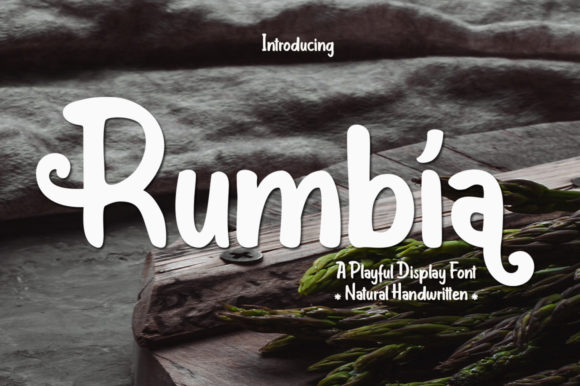
Rumbia is a contemporary display font designed with a smooth, organic aesthetic that balances elegance with energy. Its dynamic style makes it ideal for a wide range of visual projects, from branding and logos to invitations and signage. The font’s unique character set and PUA encoding allow users to access an extensive array of glyphs and ligatures, making it a flexible choice for designers seeking both functionality and artistic expression.
Unlike many traditional serif or sans-serif fonts, Rumbia offers a more fluid and expressive look. This makes it particularly well-suited for projects that require a sense of movement or personality. Its readability at larger sizes also supports its use in headings, titles, and other prominent text elements where clarity and impact are essential.
What Makes Rumbia Distinct?
Rumbia stands out due to its combination of organic curves and modern structure. The font’s design incorporates subtle variations in stroke weight and shape, giving it a handcrafted feel while maintaining consistency across different characters. This balance allows Rumbia to feel both natural and professional, which is crucial for applications like wedding invitations or business correspondence.
The PUA (Private Unicode Area) encoding of Rumbia ensures that all alternative glyphs and ligatures are easily accessible without requiring special software or keyboard layouts. This feature is especially beneficial for designers who want to enhance the visual appeal of their work with custom typographic elements. Whether adding decorative flourishes or unique letterforms, Rumbia provides a level of customization that many standard fonts lack.
Comparing Rumbia to Similar Fonts
When evaluating display fonts, designers often consider factors such as legibility, versatility, and stylistic fit. Rumbia compares favorably to other modern display fonts like Montserrat, Lato, or Playfair Display, but it carves out a distinct niche with its organic and energetic tone.
For instance, Montserrat is known for its clean, geometric lines and strong readability, making it a popular choice for digital interfaces and web design. In contrast, Rumbia’s more fluid forms make it better suited for creative or artistic applications where visual interest is a priority. Similarly, Playfair Display offers a classic, elegant appearance that works well in print media, but it lacks the dynamic energy that Rumbia brings to the table.
While some fonts may offer similar levels of customization through OpenType features, Rumbia’s PUA encoding simplifies access to its full glyph set. This can be a significant advantage for users who want to experiment with typography without the need for advanced technical knowledge.
Best Fit Situations for Rumbia
Rumbia excels in scenarios where a strong visual identity is needed. It is particularly effective for branding projects that aim to convey creativity, movement, or a personal touch. For example, a boutique studio or independent artist might use Rumbia in their logo to create a distinctive and memorable brand presence.
The font is also well-suited for event-related materials such as wedding invitations, party flyers, or signage. Its ability to maintain clarity at larger sizes ensures that key information remains readable, even when used in eye-catching designs. Additionally, Rumbia’s versatility allows it to be paired with other fonts for a balanced typographic hierarchy, making it a practical choice for newsletters, posters, and promotional materials.
In corporate settings, Rumbia can be used for letterheads or internal communications to add a touch of personality without compromising professionalism. Its dynamic style can help differentiate a company’s messaging from more conventional, rigid typefaces.
Limitations and Tradeoffs
Despite its strengths, Rumbia may not be the best choice for every project. Its organic style, while visually appealing, can sometimes reduce legibility at smaller sizes. This makes it less suitable for body text in long-form documents or digital interfaces where readability is critical.
Additionally, Rumbia’s unique character set and ligatures may not align with all design aesthetics. Some projects may require a more neutral or structured font to maintain a consistent visual language. In such cases, alternatives like Roboto or Nunito might be more appropriate, depending on the desired tone and context.
Designers should also consider the availability of Rumbia in different formats. While PUA encoding offers flexibility, it may not be supported by all design software or platforms. Users should verify compatibility before incorporating Rumbia into their workflow.
When to Choose Rumbia Over Other Options
Rumbia is a strong option when the goal is to create a visually engaging and expressive design. If a project requires a font that can convey energy, creativity, or a personal touch, Rumbia is worth considering. Its ability to support a wide range of glyphs and ligatures adds another layer of customization that can enhance the overall visual appeal of a design.
For example, a designer working on a music festival poster might choose Rumbia to reflect the vibrant and dynamic nature of the event. Similarly, a small business owner looking to establish a unique brand identity could benefit from Rumbia’s organic and modern aesthetic.
However, if the primary focus is on clarity, neutrality, or broad compatibility, other fonts may be more suitable. Designers should evaluate their specific needs and test Rumbia in different contexts to determine whether it meets their requirements.
Conclusion: Rumbia as a Thoughtful Choice
Rumbia offers a compelling blend of style, functionality, and customization, making it a valuable addition to any designer’s toolkit. Its organic and dynamic qualities provide a fresh alternative to more conventional fonts, particularly for projects that prioritize visual interest and personality.
While it may not be the best fit for every application, Rumbia’s strengths in areas like branding, event design, and creative typography make it a versatile and effective choice. By understanding its capabilities and limitations, designers can make informed decisions about when and how to use Rumbia in their work.