Nightcrawler: A Bouncy, Textured Display Font That Makes a Statement
When it comes to typography, the right font can elevate a design from ordinary to extraordinary. Nightcrawler is one such font that stands out with its unique bouncy style and subtle texture. Whether you're designing a banner, a cover, or a logo, Nightcrawler offers a fresh and dynamic look that captures attention. But like any powerful tool, it requires careful use to achieve the best results.
Understanding what makes Nightcrawler special—and how to use it effectively—can help you avoid common pitfalls and make the most of its visual appeal. Let’s explore what sets this font apart, where it shines, and how to use it without overdoing it.
What Makes Nightcrawler Unique?
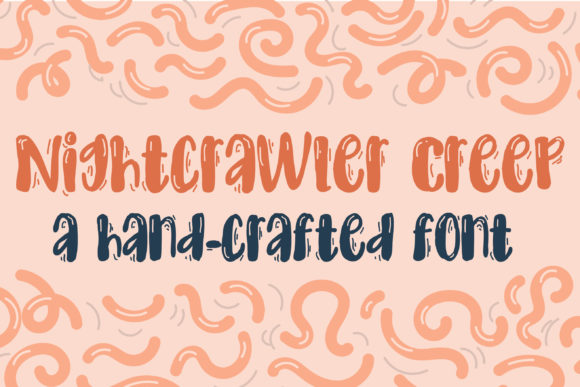
Nightcrawler is more than just a display font; it’s a character-rich typeface that combines playful curves with a slightly rough-edged texture. This combination gives it a sense of movement and energy, making it ideal for projects that need to stand out. The font’s irregular shapes and slight imperfections add a handcrafted feel, which can be both appealing and challenging depending on the context.
Its name might suggest something dark or mysterious, but in reality, Nightcrawler is more about vibrancy and motion. It works well in modern, creative environments where a bit of flair is needed. However, because of its distinct style, it's not always the best choice for every project.
Common Mistakes When Using Nightcrawler
One of the biggest mistakes people make with Nightcrawler is using it in large blocks of text. While it looks great in headlines or short phrases, it can become hard to read when used extensively. The font’s texture and irregular shapes can make it less legible, especially at smaller sizes or in low-resolution settings.
Another common error is applying it to formal or professional designs. Nightcrawler’s playful nature doesn’t always align with the seriousness of business reports, legal documents, or corporate branding. In these cases, a more traditional font would be more appropriate and effective.
Some users also overlook the importance of spacing and hierarchy when working with Nightcrawler. Because of its unique structure, the font may require additional adjustments to ensure it fits well with other elements on the page. Failing to do so can lead to a cluttered or unbalanced design.
How to Avoid These Pitfalls
To get the most out of Nightcrawler, start by using it in small doses. Focus on headlines, titles, or key visual elements where its personality can shine without overwhelming the overall design. Pair it with simpler, more readable fonts for body text or supporting content to maintain balance.
Consider the tone and purpose of your project before choosing Nightcrawler. If you’re aiming for a casual, creative vibe, it’s a great fit. But if you need a clean, professional look, opt for a more neutral typeface instead. Always test the font in different sizes and contexts to see how it performs.
When working with Nightcrawler, pay attention to spacing and alignment. Adjust letter spacing and line height as needed to improve readability and visual harmony. Use it as a focal point rather than a background element to ensure it has the impact you want.
Best Practices for Working With Nightcrawler
Before downloading or purchasing Nightcrawler, check the licensing terms to ensure it’s suitable for your intended use. Some fonts may have restrictions on commercial projects or redistribution, so it’s important to verify these details upfront.
Experiment with different weights and styles if available. Many display fonts come in multiple variations, and using the right weight can enhance the font’s visual appeal while maintaining clarity. For example, a bold version might work well for a headline, while a lighter variant could be used for subheadings or accents.
Don’t forget to consider the platform or medium where the font will be used. Web fonts, print materials, and digital screens can all affect how Nightcrawler appears. Preview the font in different formats to ensure it looks consistent and sharp across all applications.
Realistic Examples of Effective Use
A great example of Nightcrawler in action is a music festival poster. Its energetic style complements the lively atmosphere of the event, drawing attention and creating a sense of excitement. In this case, the font is used sparingly and paired with clean, readable text to maintain clarity.
Another effective use is in a branding campaign for a tech startup. Here, Nightcrawler adds a modern, innovative edge without being too disruptive. It’s used in the logo and key visuals, helping to create a memorable and distinctive identity.
In contrast, using Nightcrawler in a long-form article or a corporate website would likely detract from the overall experience. The font’s texture and irregularity could make the text harder to read, leading to a less engaging and professional appearance.
What to Check Before Making a Decision
Before committing to Nightcrawler, ask yourself a few key questions: Does the font match the tone of the project? Is it readable in the intended size and format? Will it complement other design elements? Answering these questions can help you determine whether Nightcrawler is the right choice for your needs.
Also, consider the audience. If your target readers are looking for clarity and professionalism, a more straightforward font may be better. If your goal is to create a bold, eye-catching design, then Nightcrawler could be an excellent option.
Finally, always test the font in real-world scenarios. View it on different devices, print it out, and see how it looks in various lighting conditions. This step can reveal issues that might not be apparent during initial testing.
By understanding the strengths and limitations of Nightcrawler, you can use it more effectively and avoid common mistakes. With the right approach, this unique font can add a fresh, dynamic touch to your designs while enhancing their visual impact and appeal.