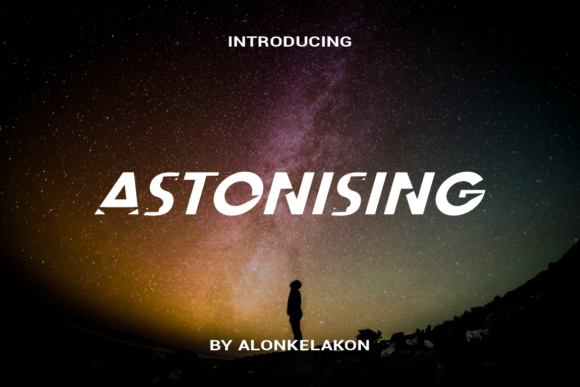
Astonising: A Bold and Creative Display Font That Elevates Your Designs
If you're looking for a font that commands attention and adds a touch of creativity to your work, Astonising might be the perfect choice. This bold and dynamic display font is designed to make your headlines, banners, magazine covers, and other visual elements stand out. Whether you're a designer, marketer, or content creator, Astonising offers a unique style that can transform your projects into something truly memorable.
However, while Astonising is powerful, it's not a one-size-fits-all solution. Understanding how to use it effectively—and avoiding common pitfalls—can make all the difference in achieving the desired impact.
What Makes Astonising Unique?
Astonising is more than just a font; it's a statement. Its striking letterforms and distinctive shapes give it a modern, eye-catching appeal that works well in both digital and print media. The font’s versatility allows it to shine in various contexts, from branding materials to social media graphics. Its boldness makes it ideal for headlines where clarity and visual impact are key.
But what sets Astonising apart from other display fonts is its balance of creativity and readability. While it’s designed to grab attention, it doesn’t sacrifice legibility, making it suitable for a wide range of applications.
Common Mistakes When Using Astonising
Despite its strengths, many users make mistakes when working with Astonising. One common error is overusing the font. Since it’s so bold and attention-grabbing, using it in large blocks of text can lead to visual clutter and reduce readability. Instead, reserve Astonising for headlines, titles, or short phrases where its impact can shine without overwhelming the viewer.
Another mistake is not considering the context in which the font will be used. For example, using Astonising on a website with a minimalist design may clash with the overall aesthetic. It’s important to ensure that the font complements the rest of your design rather than competing with it.
Choosing the Right Size and Spacing
Many users overlook the importance of sizing and spacing when working with display fonts like Astonising. If the font is too small, it may become hard to read, especially in printed materials. On the other hand, if it's too large, it can dominate the layout and distract from the message. Experimenting with different sizes and adjusting line spacing can help achieve a balanced look.
Understanding the Limitations of Astonising
While Astonising is a powerful tool, it’s not always the best fit for every project. For instance, if you’re designing a document that requires a professional tone, such as a business report or academic paper, a more traditional font might be more appropriate. Similarly, if your audience is primarily older adults, a simpler, more conventional font could be easier to read and more effective.
Another consideration is the availability of the font. Some users may download or purchase Astonising without checking if it’s compatible with their design software or if it includes all necessary character sets. Always verify that the font supports the languages and symbols you need before incorporating it into your work.
How to Avoid Common Pitfalls
To get the most out of Astonising, start by defining the purpose of your design. Ask yourself: What message do I want to convey? Who is my audience? How does this font align with the overall look and feel of the project? These questions can help guide your decision-making and prevent misuse of the font.
Additionally, test the font in different scenarios. Try it on a mock-up of your design, or even print a sample to see how it looks in real life. This can reveal issues that might not be apparent on a screen, such as poor contrast or awkward spacing.
Use Astonising Sparingly and Strategically
One of the best ways to avoid overuse is to limit the font to key areas of your design. For example, use it for a headline or a logo, but stick to a more neutral font for body text. This contrast can create visual interest while maintaining readability and professionalism.
What to Check Before Using Astonising
Before you start using Astonising, there are a few things to consider. First, check the licensing terms. Make sure you have the proper rights to use the font, especially if you're creating content for commercial purposes. Some fonts may require a separate license for web use or print projects.
Next, evaluate the font’s compatibility. Ensure that it works with the software you're using, such as Adobe Photoshop, Illustrator, or Canva. Also, confirm that it includes all the characters you need, including special symbols, numbers, and punctuation.
Realistic Examples of Effective Use
Consider a marketing campaign for a new product launch. Using Astonising for the headline can immediately draw attention and create a sense of excitement. Pairing it with a clean, modern sans-serif font for the body text ensures the message remains clear and easy to read.
In another scenario, a blog post title using Astonising can make the content more engaging and visually appealing. However, if the same font is used throughout the article, it may confuse readers and reduce the overall effectiveness of the design.
Conclusion: Make Informed Choices With Astonising
Astonising is a powerful and creative font that can elevate your designs when used correctly. By understanding its strengths and limitations, and avoiding common mistakes, you can maximize its impact and create visually compelling work. Always take the time to test the font, consider the context, and choose the right applications for it. With thoughtful use, Astonising can become a valuable asset in your design toolkit.