Flying Bird: A Modern Display Font for Creative Projects
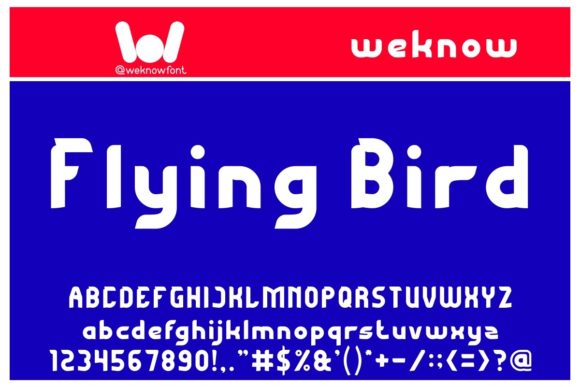
Flying Bird is a modern and casual-looking display font that has gained popularity among designers, marketers, and creatives across various industries. Its clean lines and friendly appearance make it ideal for use in logotypes, headlines, and other visual elements that require a distinctive yet approachable style. Whether you're working on corporate branding, editorial design, or digital media, Flying Bird offers a versatile option that can enhance the visual appeal of your projects.
What Is Flying Bird?
Flying Bird is a display font designed to convey a sense of movement and energy. It features a balanced structure with subtle variations in stroke weight, giving it a dynamic feel. The font's casual aesthetic makes it suitable for both professional and informal settings. Its readability at larger sizes ensures that it remains effective as a headline or title font, while its unique character set adds visual interest to any composition.
The font is available in multiple weights and styles, allowing users to adapt it to different design needs. This flexibility makes it an attractive choice for those looking for a font that can be used across a variety of applications without sacrificing consistency or quality.
Why Consider Flying Bird?
Designers often look for fonts that are both visually appealing and functional. Flying Bird meets these criteria by offering a modern look that is easy to read and adaptable to different contexts. Its casual tone makes it particularly well-suited for brands that want to communicate a sense of approachability and creativity.
For businesses and individuals involved in the apparel, music, or entertainment industries, Flying Bird can serve as an effective tool for creating a cohesive brand identity. Its versatility also makes it a good choice for digital platforms such as websites, social media profiles, and video content, where a strong visual presence is essential.
Benefits of Using Flying Bird
One of the key benefits of Flying Bird is its ability to add personality to a design without overwhelming the viewer. Its clean and uncluttered appearance allows it to work well in both minimalist and more elaborate layouts. Additionally, the font's legibility at larger sizes makes it a practical choice for headlines, banners, and other prominent text elements.
Another advantage is its compatibility with different design software and platforms. Most major graphic design tools support Flying Bird, making it easy to integrate into existing workflows. This accessibility is particularly valuable for designers who need to maintain consistency across multiple projects and mediums.
Considerations and Tradeoffs
While Flying Bird is a strong option for many design scenarios, it may not be the best fit for every project. Its casual appearance might not align with the tone of more formal or traditional branding efforts. In such cases, a serif or more structured sans-serif font could be a better alternative.
Additionally, the font's unique characteristics may require careful pairing with other typefaces to ensure visual harmony. Designers should consider how Flying Bird interacts with surrounding text and graphics to avoid a cluttered or inconsistent look.
Situations Where Flying Bird Excels
Flying Bird is particularly effective in projects that aim to convey a sense of innovation, creativity, or playfulness. For example, it can be used in the design of promotional materials for music festivals, film releases, or gaming events, where a bold and energetic visual style is desired.
In the realm of digital marketing, Flying Bird can help create eye-catching headlines for social media posts, website banners, or email newsletters. Its modern look resonates well with younger audiences, making it a good choice for brands targeting a contemporary demographic.
When Alternatives Might Be Better
For projects that require a more traditional or sophisticated appearance, alternatives to Flying Bird may be more appropriate. Fonts with a stronger historical or cultural association, such as Times New Roman or Garamond, can provide a more classic feel that may be better suited for certain industries or audiences.
Similarly, if a design requires a high level of formality or precision, a more neutral or structured font might be preferable. These fonts often offer greater clarity and professionalism, which can be essential in business or academic contexts.
Decision-Making Insights
When evaluating whether to use Flying Bird, consider the specific goals of your project. Ask yourself whether the font's casual and modern aesthetic aligns with your brand's identity and the message you want to convey. Testing the font in different contexts can also help determine its effectiveness.
It's also important to think about the audience you're trying to reach. If your target demographic appreciates a more relaxed or creative style, Flying Bird could be an excellent choice. However, if your audience values tradition or formality, you may want to explore other options.
Ultimately, the decision to use Flying Bird should be based on how well it supports your overall design strategy and objectives. By carefully considering its strengths and limitations, you can make an informed choice that enhances the visual impact of your work.