Pinasta: A Handwritten Font for Creative Expression
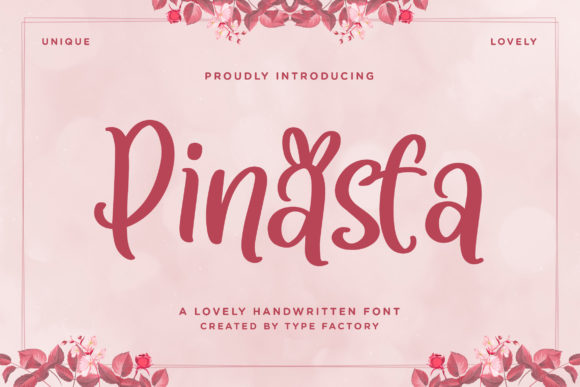
Pinasta is a distinctive handwritten font that offers a personal and artistic touch to a wide range of design projects. Its unique character makes it ideal for those seeking a more authentic, human feel in their visual communication. Whether you're designing invitations, logos, or social media graphics, Pinasta can add a sense of warmth and individuality to your work.
What Makes Pinasta Stand Out
Unlike many digital fonts that aim for uniformity, Pinasta embraces the irregularities of handwriting. This gives it a natural, organic look that can bring a sense of approachability to any project. The font features a variety of glyphs and ligatures, which can be accessed easily due to its PUA encoding. This means users can take full advantage of the font's stylistic options without needing complex software or additional tools.
The versatility of Pinasta allows it to fit into multiple design contexts. It works well for both casual and more formal applications, making it a flexible choice for designers and creatives. Its legibility is also a strong point, as it maintains clarity even at smaller sizes, ensuring that it remains readable in various formats.
Comparing Pinasta with Similar Fonts
When considering handwritten fonts, there are several alternatives available, each with its own strengths and limitations. For example, some fonts prioritize a more structured appearance, while others lean toward a more chaotic or expressive style. Pinasta falls somewhere in between, offering a balance of personality and readability.
Fonts like Brush Script or Pacifico have a more fluid, cursive style, which may appeal to those looking for a more dramatic or elegant look. However, these styles can sometimes be less practical for larger blocks of text. In contrast, Pinasta maintains a level of consistency that makes it suitable for headings, titles, and short phrases without sacrificing its handwritten charm.
Other fonts may offer more decorative elements or alternative characters, but Pinasta's PUA encoding ensures that all of its glyphs are accessible without requiring special keyboard layouts or complex input methods. This makes it a more user-friendly option for those who want to explore the full potential of the font without technical barriers.
Best Use Cases for Pinasta
Pinasta is particularly well-suited for projects that benefit from a personal touch. Party invitations, for instance, often require a friendly and inviting tone, which Pinasta can help convey through its warm, hand-drawn aesthetic. Similarly, printed quotes or motivational posters can gain a more heartfelt feel when using this font.
In the realm of packaging design, Pinasta can add a unique identity to product labels or branding materials. It can differentiate a product in a crowded market by introducing a sense of authenticity and craftsmanship. For t-shirt designs, the font’s distinctiveness can make a statement, especially when used in combination with other graphic elements.
For digital use, such as social media graphics or website headers, Pinasta can create a visually appealing focal point. Its readability at smaller sizes makes it a good choice for mobile-friendly designs, where space is often limited. Additionally, its adaptability across different platforms ensures that it maintains its quality regardless of the medium.
Limitations and Tradeoffs
While Pinasta is a strong choice for many design scenarios, it may not be the best fit for every project. For instance, if a design requires a more formal or corporate look, a serif or sans-serif font might be more appropriate. Pinasta’s informal nature could clash with the tone of certain professional environments.
Another consideration is the font’s suitability for long-form text. While it is readable in short sections, using it for extended paragraphs may reduce legibility and impact the overall effectiveness of the message. In such cases, a more traditional typeface might be preferable.
Additionally, the availability of similar fonts may influence the decision-making process. If a designer is looking for a specific style or set of features, they may find that another font better aligns with their needs. It’s important to evaluate the purpose of the project and the desired outcome before selecting a font.
When Pinasta Is the Right Choice
Pinasta is an excellent choice when the goal is to introduce a sense of creativity, warmth, or individuality into a design. It works well for personal projects, small businesses, or creative professionals who want to stand out from the crowd. Its ability to blend style with functionality makes it a valuable tool in a designer’s toolkit.
If the project involves a lot of visual storytelling, such as in marketing materials or brand identities, Pinasta can help reinforce a narrative that feels genuine and relatable. It can also be a great complement to other design elements, adding depth and character to the overall composition.
For those who value ease of use and accessibility, Pinasta’s PUA encoding is a significant advantage. It allows for straightforward access to all of the font’s features, making it a practical option for users who may not have advanced design skills or software.
Alternatives and Considerations
Designers should consider other fonts when the project requires a different aesthetic or functional approach. For example, if a clean and modern look is needed, a sans-serif font like Montserrat or Open Sans might be more appropriate. Alternatively, if a more ornate or decorative style is desired, fonts like Great Vibes or Lobster could provide a different kind of visual appeal.
It’s also worth noting that the choice of font can affect the overall message and perception of a design. A font that is too casual may not be suitable for a high-end brand, while one that is overly formal could feel inaccessible or unapproachable. Understanding the audience and the context of the project is essential in making an informed decision.
Ultimately, the best font is the one that supports the goals of the project while resonating with the intended audience. By carefully evaluating the strengths and limitations of each option, designers can make choices that enhance the effectiveness of their work.