Paperboard: A Strategic Choice for Creative Expression
Paperboard is more than just a font—it's a versatile tool that can elevate the visual identity of your projects. With its casual, natural, and slightly handcrafted aesthetic, Paperboard brings a sense of warmth and authenticity to any design. Whether you're working on a children's book, a marketing campaign, or a personal project, this font offers a unique way to communicate your message with style and personality.
Understanding Paperboard: A Font with Purpose
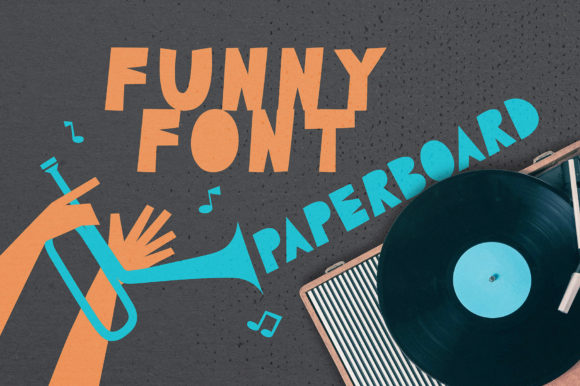
Paperboard is designed to mimic the look of handwritten text on paper, giving it a friendly and approachable feel. Its irregularities and slight imperfections make it stand out from more rigid, digital fonts. This characteristic makes it ideal for projects that aim to convey creativity, playfulness, or a connection to the real world.
Unlike many fonts that prioritize uniformity, Paperboard embraces variation. This makes it particularly effective in contexts where a human touch is desired. For instance, in branding, it can help create a more relatable and memorable identity. In educational materials, it can make content feel less intimidating and more engaging.
Strategic Use of Paperboard in Design
The key to using Paperboard effectively lies in understanding its strengths and limitations. It excels in situations where a casual, expressive tone is appropriate. However, it may not be the best choice for formal documents, technical manuals, or anything that requires high readability at a glance.
When considering Paperboard for a project, ask yourself: What is the goal? Who is the audience? What kind of message do I want to convey? These questions will help determine whether Paperboard aligns with your broader design strategy. For example, if you're creating a poster for a local art event, Paperboard could add a sense of spontaneity and creativity. But if you're designing a financial report, it might not be the right fit.
When to Use Paperboard: Practical Scenarios
Paperboard works well in a variety of creative and commercial applications. Here are some common use cases:
- Children's Books and Educational Materials: Its playful appearance can make learning more engaging for young readers.
- Brand Identity and Logos: For businesses aiming to appear approachable and creative, Paperboard can help establish a distinct visual voice.
- Marketing Campaigns: It can add a personal touch to social media posts, advertisements, or email newsletters.
- Artistic Projects: From illustrations to zines, Paperboard can enhance the overall aesthetic of handmade or DIY creations.
- Quotes and Inspirational Content: Its organic look can make motivational messages feel more heartfelt and genuine.
By identifying the right context for Paperboard, you can ensure it enhances rather than distracts from your message.
Planning Your Approach: Key Considerations
Before incorporating Paperboard into your design, consider the following factors:
- Readability: Ensure that the font remains legible, especially at smaller sizes or when used in long paragraphs.
- Consistency: If using Paperboard alongside other fonts, maintain a cohesive visual hierarchy to avoid clutter.
- Color and Contrast: Test the font against different background colors to ensure it stands out without being overwhelming.
- Platform Compatibility: Verify that the font displays correctly across devices and platforms, especially if it will be used online.
- Target Audience: Align the font's tone with the expectations and preferences of your audience.
These considerations can help you make informed decisions and avoid common pitfalls.
Risks of Using Paperboard Without Clear Intent
While Paperboard is a powerful tool, it can also be misused. Randomly applying it without a clear purpose can lead to confusion, inconsistency, or a lack of professionalism. For example, using it in a corporate presentation might undermine the credibility of your message. Similarly, overusing it in a design can make the layout feel chaotic and unpolished.
To avoid these issues, always tie the use of Paperboard back to your strategic goals. Ask: Does this font support the message I want to send? Will it resonate with my audience? Is it appropriate for the medium and context? By answering these questions, you can ensure that your design choices are intentional and impactful.
Intentional Use: How to Maximize Paperboard’s Potential
Intentional use of Paperboard involves more than just selecting the font—it's about integrating it thoughtfully into your broader design strategy. Here are some tips for maximizing its impact:
- Use It Sparingly: Limit the amount of text in Paperboard to maintain visual balance and readability.
- Pair It with Complementary Fonts: Combine it with more structured fonts to create contrast and clarity.
- Test Different Styles: Experiment with variations in size, weight, and spacing to find the most effective look.
- Align with Brand Voice: Ensure that the font reflects the personality and values of your brand or project.
- Consider Cultural Context: Be mindful of how the font may be perceived in different regions or communities.
By taking a deliberate approach, you can harness the unique qualities of Paperboard to achieve better results.
Long-Term Value: Building a Strategy Around Paperboard
Incorporating Paperboard into your design process can contribute to long-term success by reinforcing your brand's identity and connecting with your audience on a deeper level. Over time, consistent use of this font can help build recognition and trust, especially in creative industries where visual style plays a significant role.
Moreover, as trends evolve, having a font like Paperboard in your toolkit allows for greater flexibility and adaptability. It can be used in new ways as your business or projects grow, ensuring that your designs remain fresh and relevant.
Ultimately, the value of Paperboard lies in how it's used. By approaching it with intention, strategy, and an understanding of its strengths, you can unlock its full potential and create more meaningful, effective designs.