Choco Biscuit: A Bold and Stylish Font for Creative Projects
Choco Biscuit is more than just a font—it's a statement. With its striking design and playful yet professional feel, it's ideal for anyone looking to make their work stand out. Whether you're designing social media posts, crafting invitations, or working on branding materials, Choco Biscuit offers a unique visual identity that captures attention. But like any tool, it's important to understand how to use it effectively to avoid common pitfalls.
Many creators jump into using Choco Biscuit without considering its limitations or the context in which it works best. This can lead to less-than-optimal results. Let's explore what makes Choco Biscuit special, where it might fall short, and how to use it wisely.
What Makes Choco Biscuit Unique?
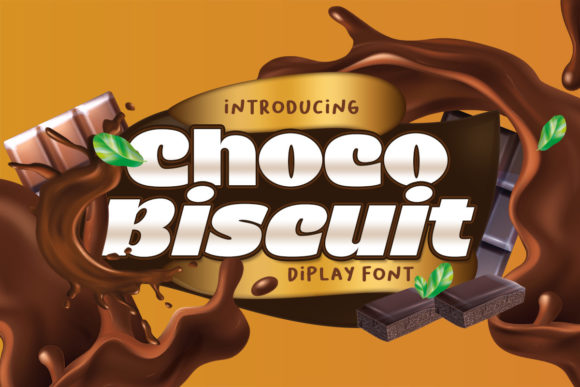
Choco Biscuit is a display font designed to be eye-catching. Its bold strokes and distinctive shapes give it a modern, edgy look that's perfect for projects needing a strong visual presence. It’s often used in branding, digital art, and crafty designs where a little flair goes a long way.
Its versatility allows it to work across different mediums, from digital screens to printed materials. However, its style isn’t suited for every project. For example, using it in long blocks of text can reduce readability and make your message harder to follow.
Common Mistakes When Using Choco Biscuit
One of the most frequent mistakes is overusing the font. While it's tempting to go all-in with a bold, attention-grabbing typeface, doing so can overwhelm the viewer. Think of it like wearing a bright, patterned outfit to a formal event—sometimes less is more.
Another common issue is not checking the font's licensing terms. Some fonts have restrictions on commercial use, and failing to verify these can lead to legal complications. Always review the license before using Choco Biscuit for business or public-facing projects.
Additionally, many users overlook the importance of pairing Choco Biscuit with complementary fonts. Using it alone in a design can sometimes feel too dominant. Pairing it with a simpler, more neutral font can create balance and improve overall aesthetics.
How These Mistakes Can Affect Your Work
Overuse of Choco Biscuit can make your design feel cluttered and unprofessional. In a marketing campaign, for instance, this could confuse your audience and dilute your message. In a personal project, it might make your work seem less polished or thoughtful.
Ignoring licensing details can lead to costly problems down the line. If you’re using the font in a client project and the license doesn’t allow it, you may face fines or have to redo the work. This can damage your reputation and cost you time and money.
Mispairing Choco Biscuit with other fonts can also result in a design that lacks harmony. Without proper contrast, your message might not come through clearly, and your creative vision could be lost in the chaos of competing styles.
Practical Advice for Using Choco Biscuit Effectively
To get the most out of Choco Biscuit, start by using it strategically. Apply it to headings, logos, or key phrases where it can shine without overwhelming the rest of the design. For body text, consider a more readable font to maintain clarity and professionalism.
Before downloading or purchasing Choco Biscuit, check the license agreement carefully. Look for information about commercial use, redistribution, and any restrictions. If you're unsure, reach out to the font's creator or distributor for clarification.
When pairing Choco Biscuit with other fonts, aim for contrast. A clean, sans-serif font like Open Sans or Lato can provide a nice counterbalance to Choco Biscuit's boldness. This creates visual interest while keeping your design cohesive and easy to read.
Realistic Examples and Better Approaches
Imagine you're creating a social media post for a new product launch. Instead of using Choco Biscuit for the entire caption, apply it to the headline and a few key bullet points. This draws attention to the most important elements without making the text hard to follow.
If you're designing a wedding invitation, using Choco Biscuit for the couple's names and the event date can add a touch of elegance. Pair it with a more traditional serif font for the rest of the details to maintain a balanced and sophisticated look.
For a branding project, consider using Choco Biscuit as part of a logo or tagline. This helps establish a strong visual identity while keeping the rest of the brand materials more approachable and professional.
What to Check Before Using Choco Biscuit
Before finalizing your design, test Choco Biscuit in different contexts. View it on various devices and screen sizes to ensure it remains legible and visually appealing. Also, check how it looks in both dark and light backgrounds to avoid readability issues.
Consider the audience for your project. If you're targeting a professional or formal setting, Choco Biscuit might not be the best choice. However, for a creative or youthful brand, it can be a powerful tool when used correctly.
Finally, always have a backup plan. If Choco Biscuit doesn't work as expected, be ready to switch to another font that fits the project's needs without compromising quality or style.